Pivotal wines

Ontdek Europa's
verborgen Wijngaarden.

Deze wijnen zijn alleen voor volwassenen.
Bent u 18 jaar of ouder?

Toegang geweigerd Sorry, deze website is alleen toegankelijk voor personen van 18 jaar en ouder.
← Journaal← Journal

De mensen achter de fles: Peter Chowaniec & Juraj Krajčírovič The People Behind the Bottle: Peter Chowaniec & Juraj Krajčírovič

Wijnmakers Slowakije: wie zijn de mensen achter elke fles die Pivotal Wines naar Nederland brengt? Twee mannen voegden in 2001 hun wijngaarden in Svätý Jur samen. Er kwam geen marketingafdeling aan te pas, geen perslancering, wel, jaren later, een dochter die het werk voortzette na een groot verlies. Dit is hun verhaal.

Wie zijn de wijnmakers Slowakije achter Pivotal Wines?
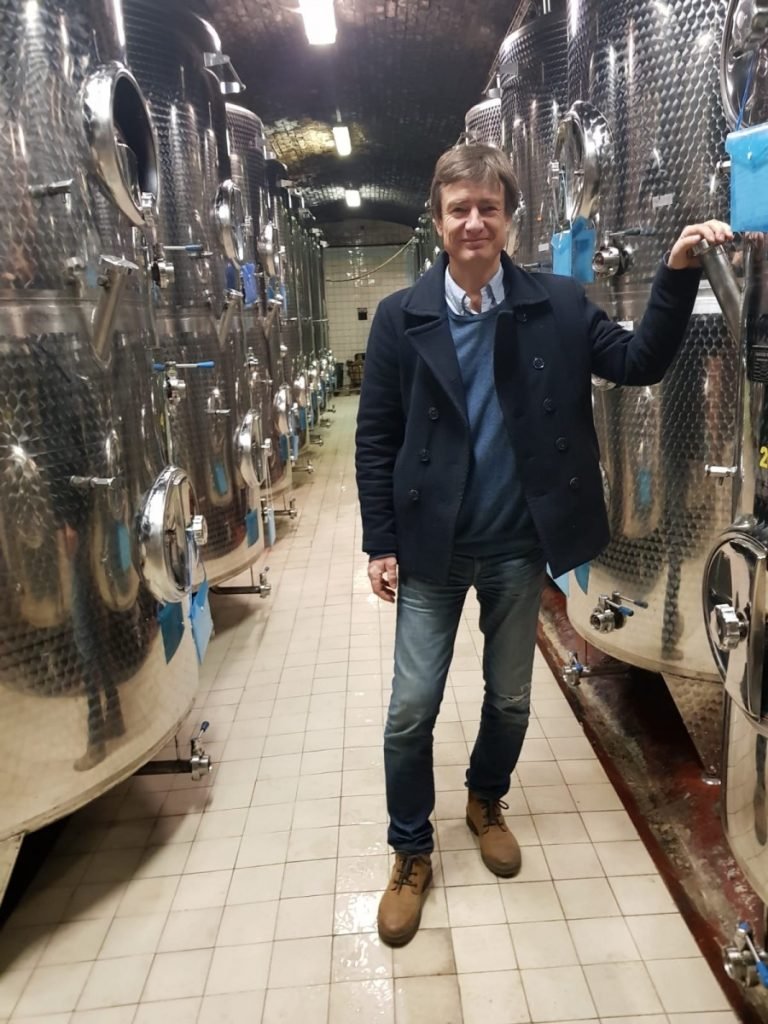
Peter Chowaniec, Slowaakse wijnmaker, in de kelder van het landgoed in Svätý Jur
Peter Chowaniec in de kelder van het landgoed

De wijnmakers achter Pivotal Wines zijn Peter Chowaniec en Juraj Krajčírovič, twee namen die weinig Nederlandse wijndrinkers nu al kennen, maar die achter elke fles in de collectie staan. Eén landgoed, met een naam die de wijn zelf ook draagt: Chowaniec & Krajčírovič.

Wie deze wijnmakers Slowakije zijn, is precies waarom Pivotal Wines dit landgoed importeert, en niet een willekeurig ander. Het is toevallig ook nog een verhaal dat goed staat in een tekst. Maar dat is niet de reden. De reden is dat het klopt: twee namen, twee jaartallen, een dochter die het werk voortzet. Geen fles verlaat dat landgoed zonder die geschiedenis erbij.

Het volledige verhaal van het landgoed staat op onze pagina Ons Verhaal. Hier gaat het specifiek over de mensen: wie ze zijn, wanneer ze begonnen, en wat er sindsdien is veranderd.

2001: het begin in Svätý Jur

Peter Chowaniec en Juraj Krajčírovič richtten hun landgoed op in 2001, in Svätý Jur, een wijnstadje in de Malé Karpaty (Kleine Karpaten), niet ver van Bratislava. Wijnbouw bestaat hier al sinds 1270. Peter en Juraj waren geen pioniers van de regio, wel van hun eigen landgoed.

De steile kalksteenhellingen rond Svätý Jur waren te klein om onder het communistische bewind te industrialiseren. Daardoor bleef wijnbouw hier op familieschaal, terwijl grotere, vlakkere gebieden werden omgevormd tot collectieve landbouw. Precies die kleinschaligheid is wat Peter en Juraj in 2001 overnamen. Geen fabriek. Wijngaarden die al eeuwenlang op diezelfde, beperkte schaal werden bewerkt.

Inmiddels is dat bijna vijfentwintig jaar geleden. Op de eigen site van het landgoed wordt dat omschreven als vijfentwintig jaar van stille toewijding. Geen grote lancering, geen investeerders. Gewoon twee mannen die jaar na jaar diezelfde wijngaarden bewerkten.

2012: het overlijden van Juraj, en Jana die het werk voortzet

In 2012 overleed Juraj Krajčírovič. Zijn dochter, Jana Krajčírovičová, nam het werk over en leidt het landgoed vandaag nog altijd.

Dat is geen marketingzin over “familietraditie.” Het is gewoon wat er gebeurde: één oprichter overleden, één dochter die verderging, geen onderbreking in de wijn die sindsdien is gemaakt.

Dat soort specifieke geschiedenis is waarom deze wijnmakers Slowakije zich onderscheiden van een generieke “familiewijnmaker”-claim die elk wijnhuis zou kunnen doen. Namen, jaartallen, een concreet moment van verlies en voortzetting. Geen vage sfeerbeschrijving die net zo goed over een ander landgoed had kunnen gaan.

Waarom deze wijnmakers zich toeleggen op druiven die bijna nergens anders groeien
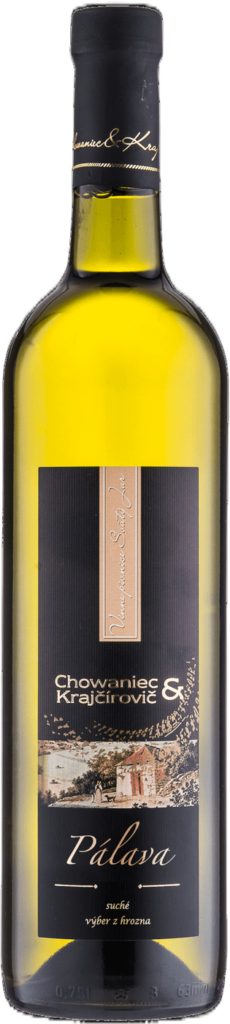
Pálava, zeldzame witte wijn van wijnmakers Slowakije

Zeldzaamheid is hier geen marketingclaim. Het valt gewoon na te tellen. Peter en Juraj legden zich vanaf het begin toe op druivenrassen die vrijwel nergens anders ter wereld groeien. Dunaj is het duidelijkste voorbeeld: ontwikkeld door Slowaakse onderzoekers in 1958, en vandaag nog altijd beperkt tot 68 hectare wereldwijd, verdeeld over Slowakije en Tsjechië. Nergens anders.

Pálava deelt dat verhaal: een kruising van Gewürztraminer en Müller-Thurgau, ontwikkeld in 1953, die vrijwel uitsluitend in Tsjechische en Slowaakse wijngaarden groeit. Pesecká Leanka, de derde witte wijn in de collectie, is in Nederland al even zeldzaam: op de eigen site van het landgoed omschreven als vrijwel onbekend in West-Europa. Chardonnay en Cabernet Sauvignon zitten er ook in, maar het zijn deze drie zeldzame wijnen waar deze wijnmakers zich het meest mee onderscheiden.

Dat is ook waarom Pivotal Wines deze wijnen importeert: rechtstreeks van het landgoed, zonder tussenpersonen. Niet uit een catalogus vol verschillende merken. Eén relatie, met de wijnmakers Slowakije die deze druiven al bijna vijfentwintig jaar verbouwen: dezelfde twee namen waarmee dit verhaal begon, en de dochter die het nu voortzet.

Wie wil weten waar deze wijnmakers werken en waarom precies die plek de smaak bepaalt: die kijk achter de schermen volgt binnenkort. Nu u weet wie er achter de fles staat: Dunaj is een logische eerste kennismaking, of bekijk de volledige collectie om alle zes de wijnen te ontdekken.

Slovak winemakers: who are the people behind every bottle Pivotal Wines brings to the Netherlands? Two men combined their vineyards in Svätý Jur in 2001. There was no marketing department behind it, no press launch. Years later, a daughter carried the work forward after a great loss. This is their story.

Who Are the Slovak Winemakers Behind Pivotal Wines?

Peter Chowaniec, Slovak winemaker, in the estate's cellar in Svätý Jur
Peter Chowaniec in the estate’s cellar

The winemakers behind Pivotal Wines are Peter Chowaniec and Juraj Krajčírovič, two names few Dutch wine drinkers recognise yet, but who stand behind every bottle in the collection. One estate, with a name the wine itself carries too: Chowaniec & Krajčírovič.

Who these Slovak winemakers are is precisely why Pivotal Wines imports this estate, and not some other one. It happens to make a decent story, too. But that’s not the reason. The reason is that it holds up: two names, two dates, a daughter who carries the work forward. No bottle leaves that estate without that history attached to it.

The full story of the estate lives on the Our Story page. Here, the focus is specifically on the people: who they are, when they started, and what has changed since.

2001: The Beginning in Svätý Jur

Peter Chowaniec and Juraj Krajčírovič founded their estate in 2001, in Svätý Jur, a small wine town in the Malé Karpaty (Small Carpathians), not far from Bratislava. Winemaking has existed here since 1270. Peter and Juraj weren’t pioneers of the region, just of their own estate.

The steep limestone slopes around Svätý Jur were too small to industrialise under communist rule. As a result, winemaking here stayed family-scale, while larger, flatter regions were converted into collective farming. That same small scale is precisely what Peter and Juraj took over in 2001. No factory. Vineyards that had already been worked on that same limited scale for centuries.

That was now almost twenty-five years ago. The estate’s own website describes it as twenty-five years of quiet dedication. No big launch, no investors. Just two men working the same vineyards year after year.

2012: Juraj’s Passing, and Jana Who Carries the Work Forward

In 2012, Juraj Krajčírovič passed away. His daughter, Jana Krajčírovičová, took over the work and still leads the estate today.

That is not a marketing line about “family tradition.” It’s just what happened: one founder passed away, one daughter carried on, no interruption in the wine made since.

This kind of specific history is what sets these Slovak winemakers apart from a generic “family winemaker” claim any producer could make. Names, dates, one concrete moment of loss and continuation. Not a vague sense of atmosphere that could just as easily belong to any other estate.

Why These Winemakers Focus on Grapes That Grow Almost Nowhere Else

Pálava, rare white wine from Slovak winemakers

Rarity here isn’t a marketing claim, it’s something you can count. From the start, Peter and Juraj focused on grape varieties that grow almost nowhere else in the world. Dunaj is the clearest example: developed by Slovak researchers in 1958, and still limited today to 68 hectares worldwide, split between Slovakia and the Czech Republic. Nowhere else.

Pálava shares that story: a cross of Gewürztraminer and Müller-Thurgau, developed in 1953, grown almost exclusively in Czech and Slovak vineyards. Pesecká Leanka, the third white wine in the collection, is just as rare in the Netherlands: described on the estate’s own website as virtually unknown in Western Europe. Chardonnay and Cabernet Sauvignon are also part of the collection, but it’s these three rare wines that set these winemakers apart the most.

That’s also why Pivotal Wines imports these wines directly from the estate, without intermediaries. Not from a catalogue full of different brands. One relationship, with the Slovak winemakers who have grown these grapes for almost twenty-five years: the same two names this story began with, and the daughter who carries it forward today.

Now that you know who stands behind the bottle: those curious about the place itself will soon be able to read more about it. Dunaj is a logical first introduction, or browse the full collection to discover all six wines.

Newsletter

Get Early
Access.

First access to what we bring in, before the World catches on.

You're on the list. Welcome to early access.
18+ only · unsubscribe anytime
0