Pivotal wines

Ontdek Europa's
verborgen Wijngaarden.

Deze wijnen zijn alleen voor volwassenen.
Bent u 18 jaar of ouder?

Toegang geweigerd Sorry, deze website is alleen toegankelijk voor personen van 18 jaar en ouder.
← Journaal← Journal

Een kijkje in Svätý Jur: waarom deze plek de smaak bepaalt A Look Inside Svätý Jur: Why This Place Shapes the Taste

Svätý Jur wijn komt van een steile, kalkrijke helling in een wijnstadje dat de meeste Nederlandse wijndrinkers nog nooit hebben gehoord. Toch bepaalt precies die plek, niet alleen de mensen die er werken, wat er uiteindelijk in het glas zit. Een kijkje in de plek zelf.

Svätý Jur wijn: waar deze plek precies ligt

Svätý Jur is een klein wijnstadje in de Malé Karpaty (Kleine Karpaten), niet ver van Bratislava, de hoofdstad van Slowakije. U bent de naam waarschijnlijk nog nooit op een Nederlands wijnschap tegengekomen. Toch wordt hier al eeuwenlang wijn gemaakt.

De ligging is meer dan een adres. Een heuvelachtige streek vlak bij een hoofdstad betekent van oudsher een afzetmarkt dichtbij, maar ook een landschap dat zich niet leent voor de grootschalige, vlakke wijngaarden die elders in Europa de norm werden. Wie in Svätý Jur wijn verbouwt, doet dat al sinds de basis op de hellingen zelf.

Kalksteenhellingen die te klein waren voor massaproductie
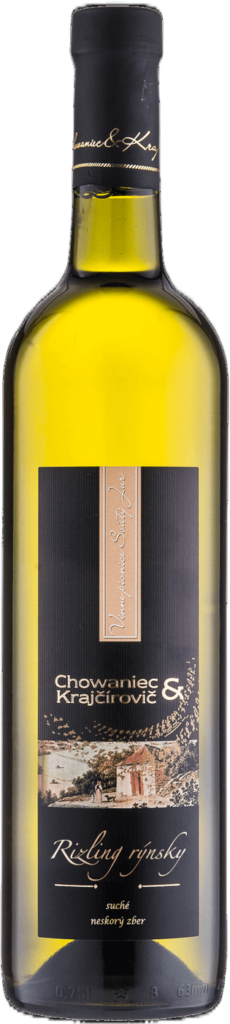
Rizling Rýnsky — Svätý Jur wijn van de kalksteenhellingen

De hellingen rond Svätý Jur zijn steil en kalkrijk. Te steil en te versnipperd om onder het communistische bewind te industrialiseren, zoals elders in de regio wel gebeurde. Het gevolg reikt verder dan alleen wie de wijngaarden bezit: het bepaalt tot op de dag van vandaag hoe er wordt gewerkt. Percelen worden met de hand bewerkt, niet machinaal. Dat is geen sentiment. Het landschap laat simpelweg niets anders toe: te steil voor zware machines, te klein voor grootschalige rijenteelt.

Kalksteen als ondergrond is bovendien geen toeval voor wijnbouw. Het is een van de meest gezochte bodemtypes in klassieke Europese wijnstreken, precies omdat het water goed vasthoudt zonder de wortels te laten verzuipen, en omdat het de druif dwingt dieper te wortelen op zoek naar vocht en mineralen. Diezelfde Malé Karpaty-hellingen die te steil waren voor massaproductie, zijn dus om dezelfde reden ook geschikt gebleken voor kwaliteitswijnbouw op kleine schaal. Wat dat concreet betekent voor de wijn zelf, komt hierna.

Wat het klimaat betekent voor de druif

Slowakije heeft een landklimaat: warme, droge zomers en koude winters, met een merkbaar verschil tussen dag- en nachttemperatuur tijdens het rijpseizoen. Dat temperatuurverschil is precies wat een druif nodig heeft om suiker én zuurgraad tegelijk op te bouwen, in plaats van het een ten koste van het ander.

Rizling Rýnsky laat dat effect goed zien: perzikbloesem en lindebloesem op de neus, maar ook een fijne, minerale zuurgraad die de wijn scherp en fris houdt. Die combinatie van rijp fruit en strakke zuurgraad is precies wat een kalkrijke helling met koele nachten oplevert: niet toevallig, maar het directe resultaat van de plek.
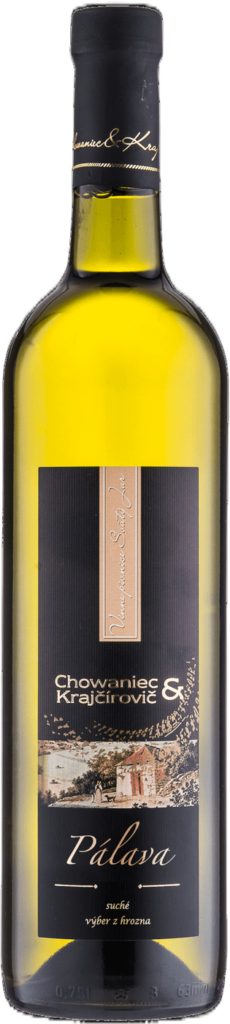
Pálava, aromatische witte wijn van Svätý Jur

Bij een aromatische witte wijn als Pálava is het patroon net zo herkenbaar, alleen anders: warme dagen bouwen de intense aroma’s van tropisch fruit en rozenblaadjes op, terwijl de koelere nachten voorkomen dat de wijn plat of te zwaar wordt. Twee heel verschillende wijnen, dezelfde plek als verklaring.

Een plek met geschiedenis, niet zomaar een streek

Wijnbouw in Svätý Jur is gedocumenteerd sinds 1270, lang voordat Nederland als natie bestond. Dat is geen sfeerdetail. Niemand heeft deze plek “ontdekt” voor een mooi verhaal: de geschiedenis loopt hier al bijna acht eeuwen door, vrijwel ononderbroken.

Wie wil weten wie die geschiedenis vandaag voortzet, leest het verhaal van Peter Chowaniec en Juraj Krajčírovič. En wie zich afvraagt hoe deze wijn, van deze specifieke hellingen, uiteindelijk in Nederland terechtkomt, leest hoe Pivotal Wines als eerste distributeur Slowaakse wijn een rechtstreekse relatie met dit landgoed heeft.

De plek zelf is het beginpunt van dat hele verhaal. Bekijk de volledige collectie om te proeven wat deze kalksteenhellingen opleveren.

Svätý Jur wine comes from a steep, limestone-rich slope in a small wine town most Dutch or English wine drinkers have never heard of. Yet it’s precisely that place, not just the people who work there, that determines what ends up in the glass. A look at the place itself.

Svätý Jur Wine: Where This Place Actually Is

Svätý Jur is a small wine town in the Malé Karpaty (Small Carpathians), not far from Bratislava, the capital of Slovakia. You’ve probably never come across the name on a Dutch or English wine shelf. Wine has been made here for centuries regardless.

The location is more than an address. A hilly region close to a capital has always meant a nearby market, but also a landscape that doesn’t lend itself to the large, flat vineyards that became the norm elsewhere in Europe. Anyone growing Svätý Jur wine has been working the slopes themselves from the start.

Limestone Slopes Too Small for Mass Production

Rizling Rýnsky — Svätý Jur wine from the limestone slopes

The slopes around Svätý Jur are steep and rich in limestone. Too steep and too fragmented to industrialise under communist rule, as happened elsewhere in the region. The effect reaches further than just who owned the vineyards: it still shapes how the work happens today. Plots are worked by hand, not by machine. That’s not sentiment. The landscape simply doesn’t allow much else: too steep for heavy machinery, too small for large-scale row planting.

Limestone as a base is also no accident for winegrowing. It’s one of the most sought-after soil types in classic European wine regions, precisely because it holds water well without drowning the roots, and because it forces the vine to root deeper in search of moisture and minerals. Those same Malé Karpaty slopes that were too steep for mass production have, for the same reason, proven suited to small-scale quality winegrowing. What that means for the wine itself comes next.

What the Climate Means for the Grape

Slovakia has a continental climate: warm, dry summers and cold winters, with a noticeable difference between day and night temperatures during the ripening season. That temperature swing is exactly what a grape needs to build both sugar and acidity at once, instead of one at the expense of the other.

Rizling Rýnsky shows that effect well: peach blossom and linden flower on the nose, but also a fine, mineral acidity that keeps the wine sharp and fresh. That combination of ripe fruit and taut acidity is exactly what a limestone slope with cool nights produces: not by chance, but as the direct result of the place.

Pálava, aromatic white wine from Svätý Jur

With an aromatic white like Pálava, the same pattern shows up differently: warm days build the intense aromas of tropical fruit and rose petals, while cooler nights stop the wine from turning flat or heavy. Two very different wines, the same place as the explanation.

A Place with History, Not Just a Region

Winemaking in Svätý Jur has been documented since 1270, long before the Netherlands existed as a nation. That’s not an atmospheric detail. Nobody “discovered” this place for a good story: the history here runs almost unbroken for nearly eight centuries.

Readers who want to know who carries that history forward today can read the story of Peter Chowaniec and Juraj Krajčírovič. And readers wondering how this wine, from these specific slopes, actually reaches the Netherlands can read how Pivotal Wines is the exclusive Slovak wine importer with a direct relationship to this estate.

The place itself is the starting point of that whole story. Browse the full collection to taste what these limestone slopes produce.

Nieuwsbrief

Krijg Vroege
Toegang.

Als eerste toegang tot wat we binnenhalen, voordat de Wereld het ontdekt.

U staat op de lijst. Welkom bij vroege toegang.
Alleen 18+ · altijd afmelden
0