Pivotal wines

Ontdek Europa's
verborgen Wijngaarden.

Deze wijnen zijn alleen voor volwassenen.
Bent u 18 jaar of ouder?

Toegang geweigerd Sorry, deze website is alleen toegankelijk voor personen van 18 jaar en ouder.
← Journaal← Journal

Slowaakse wijn vs. Duitse en Oostenrijkse wijn: wat is écht het verschil? Slovak Wine vs. German and Austrian Wine: What's the Real Difference?

Drinkt u al jaren Riesling uit de Moezel, of kent u een Grüner Veltliner uit de Wachau? Dan klinkt Slowakije misschien als een onbekende zijstap, maar de wijngaarden van Svätý Jur liggen dichter bij die vertrouwde smaakwereld dan u zou verwachten. Het verschil zit niet in kwaliteit, maar in wat er in het glas zit.

Wat Slowaakse, Duitse en Oostenrijkse wijn gemeen hebben

Svätý Jur ligt in hetzelfde soort koel continentaal klimaat dat Duitse en Oostenrijkse wijnregio’s hun kenmerkende frisheid en precisie geeft: de overeenkomst tussen Slowaakse wijn en Duitse wijn is groter dan de meeste mensen verwachten. Chowaniec & Krajčírovič maakt hier sinds 2001 wijn, in dezelfde stijl die u al kent: geen zware, warme wijn, maar een stijl die leunt op zuurgraad en helderheid.

Dat klimaat is waarom een fles Rizling Rýnsky zo natuurlijk aanvoelt voor wie Riesling uit Duitsland kent. Het is namelijk dezelfde druif: Rizling Rýnsky is simpelweg de Slowaakse naam voor Rijnriesling, geen verwante variant, maar de druif zelf.

Voor wie gewend is aan de precisie van een Duitse Riesling of de kruidige helderheid van een Oostenrijkse Grüner Veltliner is dat een geruststellende constatering: dit is geen sprong in het diepe, maar een herkenbaar startpunt. De vertrouwde zuurgraad, de frisheid, de manier waarop het klimaat zich in het glas laat proeven, dat alles is aanwezig, alleen dan uit een streek die tot nu toe onopgemerkt bleef.

Slowaakse wijn vs Duitse wijn: het grote verschil zit in de druiven

Waar Slowaakse wijn vs Duitse wijn écht uiteenlopen, is zodra u voorbij de Riesling kijkt. Duitsland en Oostenrijk bouwden hun reputatie op een select aantal beroemde druiven. Slowakije deed iets anders: het behield en verfijnde druivenrassen die nergens anders ter wereld groeien.

Pálava is daar het duidelijkste voorbeeld van: een kruising van Gewürztraminer en Müller-Thurgau uit 1953, met een aromatische intensiteit die geen Duitse of Oostenrijkse tegenhanger heeft. En Dunaj gaat nog verder: een rode druif, ontwikkeld door Slowaakse onderzoekers in 1958, die wereldwijd op amper 68 hectare groeit. Dat bestaat simpelweg niet in de Duitse of Oostenrijkse wijnbouw.

Waarom u dit nog niet eerder proefde

Het antwoord is geen kwaliteitsprobleem, maar een schaalprobleem. Duitse en Oostenrijkse wijnhuizen investeerden decennialang in export naar Nederland en de rest van Europa. Slowaakse wijnhuizen als Chowaniec & Krajčírovič bleven klein en lokaal: de steile kalksteenhellingen rond Svätý Jur waren te klein om onder het communistische bewind te industrialiseren, waardoor de wijnbouw hier op familieschaal is gebleven. Niet omdat de wijn minder goed was, maar omdat er nooit een directe route naar de Nederlandse markt bestond.

Dat verandert met een rechtstreekse importeur. Wat voorheen alleen ter plekke in Slowakije te vinden was, staat nu naast de vertrouwde Duitse en Oostenrijkse namen in hetzelfde wijnrek. Benieuwd naar de volledige achtergrond van die schaarste? Lees waarom Slowaakse wijn sowieso zo moeilijk te vinden is buiten Slowakije.

Dat is ook meteen waar Slowaakse wijn vs Duitse wijn een ander soort vergelijking wordt dan bijvoorbeeld Duitse wijn vs Oostenrijkse wijn. Die twee regio’s kennen elkaar al generaties lang, importeren van elkaar, en worden vaak in één adem genoemd. Slowakije stond tot voor kort compleet buiten dat gesprek, niet omdat het er niet in thuishoorde, maar omdat er nooit een uitnodiging was.

Welke Slowaakse wijn te proberen als u van Duitse of Oostenrijkse wijn houdt
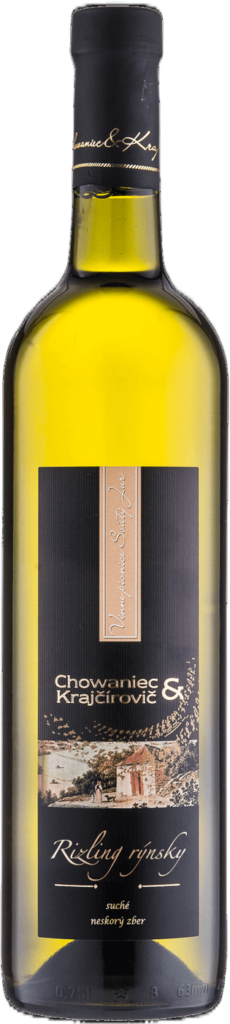
Rizling Rýnsky, Slowaakse wijn vs Duitse wijn, dezelfde druif

Voor de laagste drempel begint u bij Rizling Rýnsky, dezelfde druif, hetzelfde koele klimaat, een net iets ander verhaal. Wie daarna verder wil kijken dan het vertrouwde, vindt in Pálava en Dunaj het soort druivenrassen die in Duitsland en Oostenrijk simpelweg niet bestaan.

Bekijk de volledige collectie en ontdek zelf waar de vergelijking tussen Slowaakse wijn en Duitse wijn overeenkomt, en waar Slowakije een geheel eigen weg inslaat.

Have you been drinking Riesling from the Moselle for years, or do you know a Grüner Veltliner from the Wachau? Then Slovakia might sound like an unfamiliar detour, but the vineyards of Svätý Jur sit closer to that familiar flavor world than you’d expect. The difference isn’t in quality, but in what’s actually in the glass.

What Slovak, German, and Austrian wine have in common

Svätý Jur sits in the same kind of cool continental climate that gives German and Austrian wine regions their characteristic freshness and precision: the similarity between Slovak wine and German wine is bigger than most people expect. Chowaniec & Krajčírovič has made wine here since 2001, in the same style you already know: no heavy, warm wine, but a style that leans on acidity and clarity.

That climate is why a bottle of Rizling Rýnsky feels so natural to anyone who knows Riesling from Germany. It’s the same grape: Rizling Rýnsky is simply the Slovak name for Rhine Riesling, not a related variant, but the grape itself.

For anyone used to the precision of a German Riesling or the spicy clarity of an Austrian Grüner Veltliner, that’s a reassuring realization: this isn’t a leap into the unknown, but a recognizable starting point. The familiar acidity, the freshness, the way the climate comes through in the glass, it’s all there, just from a region that’s stayed unnoticed until now.

Slovak wine vs German wine: the big difference is in the grapes

Where Slovak wine vs German wine really diverge is the moment you look past the Riesling. Germany and Austria built their reputation on a select handful of famous grapes. Slovakia did something different: it preserved and refined grape varieties that grow nowhere else in the world.

Pálava is the clearest example: a crossing of Gewürztraminer and Müller-Thurgau from 1953, with an aromatic intensity that has no German or Austrian counterpart. And Dunaj goes even further: a red grape, developed by Slovak researchers in 1958, that grows on barely 68 hectares worldwide. That simply doesn’t exist in German or Austrian winemaking.

Why you haven’t tasted this before

The answer isn’t a quality problem, but a scale problem. German and Austrian wineries invested for decades in exports to the Netherlands and the rest of Europe. Slovak wineries like Chowaniec & Krajčírovič stayed small and local: the steep limestone slopes around Svätý Jur were too small to industrialize under communist rule, which kept winemaking here at a family scale. Not because the wine was less good, but because there was never a direct route to the Dutch market.

That changes with a direct importer. What used to be found only locally in Slovakia now stands alongside the familiar German and Austrian names on the same wine rack.

That’s also where Slovak wine vs German wine becomes a different kind of comparison than, say, German wine vs Austrian wine. Those two regions have known each other for generations, import from each other, and are often mentioned in the same breath. Slovakia, until recently, stood completely outside that conversation, not because it didn’t belong there, but because there was never an invitation.

Which Slovak wine to try if you like German or Austrian wine

Rizling Rýnsky, Slovak wine vs German wine, the same grape

For the lowest barrier to entry, start with Rizling Rýnsky, the same grape, the same cool climate, a slightly different story. Anyone who wants to look beyond the familiar afterward will find in Pálava and Dunaj the kind of grape varieties that simply don’t exist in Germany or Austria.

Browse the full collection and discover for yourself where the comparison between Slovak wine and German wine lines up, and where Slovakia goes its own way entirely. Curious about the full background on that scarcity? Read why Slovak wine is so hard to find outside Slovakia in the first place.

Newsletter

Get Early
Access.

First access to what we bring in, before the World catches on.

You're on the list. Welcome to early access.
18+ only · unsubscribe anytime
0