Pivotal wines

Ontdek Europa's
verborgen Wijngaarden.

Deze wijnen zijn alleen voor volwassenen.
Bent u 18 jaar of ouder?

Toegang geweigerd Sorry, deze website is alleen toegankelijk voor personen van 18 jaar en ouder.
← Journaal← Journal

Welke wijn bij kaasplank? Vier wijnen, vier soorten kaas Wine and Cheese Pairing: Four Wines, Four Types of Cheese

Wijn bij kaasplank kiezen lijkt eenvoudig: witte wijn bij witte kaas, rode wijn bij belegen kaas. Zo eenvoudig is het meestal niet, en dat merkt u vooral aan tafel. Een jonge geitenkaas vraagt om iets heel anders dan een oude, pittige belegen kaas. Deze gids geeft u vier concrete opties, elk gekoppeld aan het type kaas waar hij het best bij past.

Welke wijn bij kaasplank: de basisregel

De vuistregel voor wijn bij kaasplank is simpel: hoe zachter en jonger de kaas, hoe lichter en frisser de wijn; hoe ouder en pittiger de kaas, hoe meer structuur de wijn mag hebben. Zet een zware, tanninerijke rode wijn naast een milde jonge kaas en de kaas verdwijnt gewoon. Andersom valt een lichte witte wijn weg naast een stevige, oude belegen kaas.

Daar zit een concreet mechanisme achter, niet alleen smaak. De zuurgraad in witte wijn snijdt door de romigheid van jonge, zachte kaas, ongeveer zoals een schijfje citroen een romige saus verlicht. Bij oudere, vettere kaas werkt het andersom: de tannines in een stevige rode wijn binden zich aan het vet, waardoor de wijn minder scherp aanvoelt en de kaas minder zwaar.

Hieronder vier wijnen uit de collectie, elk met een kaas waar hij aantoonbaar goed bij past. De indeling volgt de klassieke opbouw van een kaasplank: van jong en zacht naar oud en pittig, zodat u niet zelf hoeft uit te zoeken welke fles bij welk stuk kaas hoort.

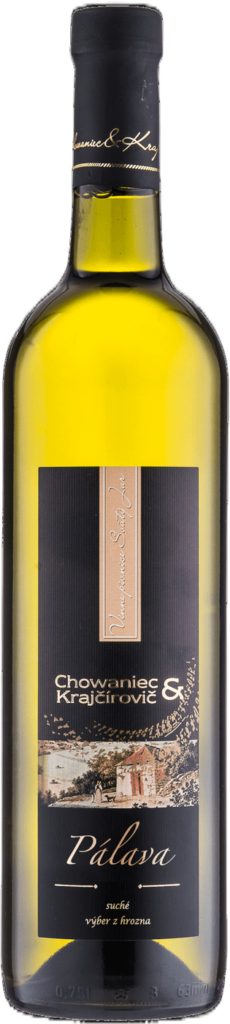
Pálava bij zachte geitenkaas

Pálava: welke wijn bij kaasplank, geitenkaas pairing

Pálava is een aromatische witte wijn met tropisch fruit, rozenblaadjes, honing en warme kruiden op de neus. Precies die aromatische intensiteit maakt hem een natuurlijke partner voor zachte geitenkaas: de frisse zuurgraad van de wijn snijdt door de romigheid van de kaas, terwijl de aromatische kant elkaar juist versterkt in plaats van concurreert.

Geitenkaas heeft van nature een lichte scherpte die een neutrale witte wijn al snel plat laat smaken. Pálava’s eigen aromatische karakter houdt daar juist gelijke tred mee, zonder dat een van beide de ander overstemt. Voor deze wijn bij kaasplank combinatie is een klein beetje honing of een vijg naast de kaas een goede aanvulling: het versterkt precies de honingtonen die Pálava zelf al meebrengt.

Serveer Pálava gekoeld op 8°C, in een standaard witwijnglas.

Rizling Rýnsky en Chardonnay bij gerijpte kaas
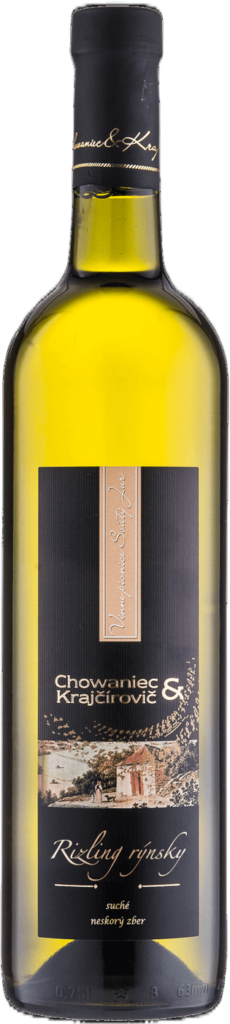
Rizling Rýnsky, witte wijn bij gerijpte kaas

Voor kaas die iets langer heeft gerijpt, zonder al te pittig te zijn, werken twee witte wijnen uit de collectie goed als wijn bij kaasplank. Rizling Rýnsky brengt perzikbloesem, lindebloesem en een fijne minerale zuurgraad: precies genoeg structuur om een gerijpte kaas te begeleiden zonder hem te overstemmen. Serveer licht gekoeld op 8 tot 10°C.
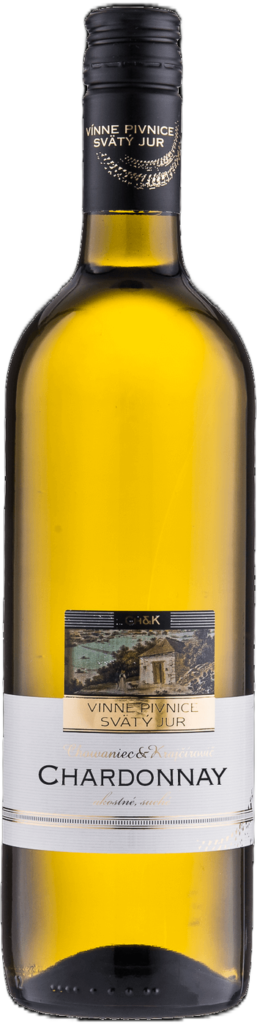
Chardonnay, milde witte wijn bij gerijpte kaas

Chardonnay is de mildere optie van de twee: honing en citrus op de neus, een nootachtige ondertoon, en een bewust ingetogen stijl zonder zware eiken. Die zachtheid maakt hem specifiek geschikt voor mildere, minder pittige gerijpte kazen. Serveer iets minder koud dan een gemiddelde witte wijn, rond 10 tot 12°C, zodat de honing- en citrustonen zich kunnen openen.

Twijfelt u tussen de twee als wijn bij kaasplank? Kijk naar de kaas zelf: hoe steviger en pittiger, hoe meer de minerale zuurgraad van Rizling Rýnsky nodig is om tegenwicht te bieden. Hoe milder de kaas, hoe beter de zachtere, nootachtige stijl van Chardonnay past.

Dunaj bij oude, pittige kaas
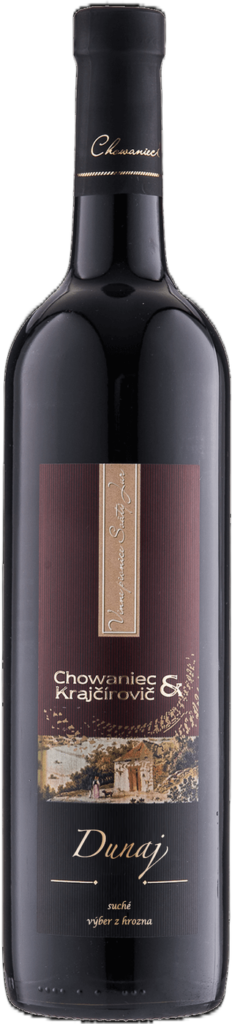
Dunaj, rode wijn bij oude pittige kaas

Voor de oudste, meest pittige kazen op de plank is Dunaj de logische keuze als wijn bij kaasplank. Deze rode wijn brengt donkere kers, pruim en donker fruit, met fluweelzachte tannines en een lange afdronk vol donkere chocolade, genoeg gewicht om zelfs een stevige, oude belegen kaas te evenaren in plaats van erdoor overstemd te worden.

Dit is precies het omgekeerde principe van Pálava bij geitenkaas: waar een lichte, aromatische wijn een zachte kaas nodig heeft om niet te overheersen, heeft een pittige, oude kaas juist een wijn met genoeg tanninestructuur nodig om niet zelf overstemd te worden.

Serveer op 16 tot 18°C en decanteer 30 minuten van tevoren. Dit tannine-vet-mechanisme is geen toeval: de algemene principes achter wijn-en-spijs leggen uit waarom juist deze combinatie van tanninerijke wijnen en romige, vette kaas zo consistent werkt.

Een volledige kaasplank samenstellen

Met alle vier de wijnen in huis is het makkelijk om er een echte proeverij van te maken in plaats van één losse fles bij één stuk kaas. Bouw de plank op van licht naar zwaar: begin met de geitenkaas en Pálava, ga verder naar de gerijpte kazen met Rizling Rýnsky of Chardonnay, en sluit af met de oudste, pittigste kaas naast Dunaj. Zo proeft u de opbouw in plaats van alles door elkaar.

Reken op ongeveer 100 tot 150 gram kaas per persoon voor een avond die om de kaasplank zelf draait, verdeeld over de vier soorten. Neutrale crackers of stokbrood werken beter dan sterk gekruide varianten: die nemen de aandacht weg van zowel de kaas als de wijn bij kaasplank combinatie die u net heeft samengesteld.

Een kaasplank met vier wijnen leent zich ook goed voor een avond met meerdere gasten: iedereen proeft hetzelfde, maar de gesprekken over welke combinatie het beste werkt, lopen vaak alle kanten op. Wie dat idee verder wil uitbreiden naar een avond met meer wijnen en meer gerechten, vindt in de uitleg over high wine een vergelijkbaar format, maar dan met de gezelligheid van een high tea als uitgangspunt in plaats van alleen kaas.

Vier wijnen, vier soorten kaas. De eenvoudigste manier om te ontdekken welke wijn bij kaasplank het beste past, is gewoon proeven. Bekijk de volledige collectie om alle vier de wijnen samen te bestellen.

Wine and cheese pairing seems simple: white wine with white cheese, red wine with aged cheese. It’s rarely that simple in practice, and you notice it most at the table. A young goat cheese calls for something very different from an old, sharp aged cheese. This guide gives you four concrete options, each matched to the type of cheese it suits best.

Wine and Cheese Pairing: the Basic Rule

The rule of thumb for wine and cheese pairing is simple: the softer and younger the cheese, the lighter and fresher the wine should be; the older and sharper the cheese, the more structure the wine can carry. Put a heavy, tannic red next to a mild young cheese and the cheese just disappears. Go the other way and a light white gets lost next to a firm, aged one.

There’s a concrete mechanism behind that, not just taste. The acidity in white wine cuts through the creaminess of young, soft cheese, roughly the way a squeeze of lemon lifts a creamy sauce. With older, fattier cheese it works the other way: the tannins in a firm red wine bind to the fat, making the wine feel less sharp and the cheese less heavy.

Below are four wines from the collection, each with a cheese it demonstrably pairs well with. The order follows the classic build of a cheese board: from young and soft to old and sharp, so you don’t have to work out yourself which bottle goes with which piece of cheese.

Pálava with Soft Goat Cheese

Pálava: wine and cheese pairing, goat cheese match

Pálava is an aromatic white wine with tropical fruit, rose petals, honey and warm spice on the nose. That same aromatic intensity makes it a natural partner for soft goat cheese: the wine’s fresh acidity cuts through the cheese’s creaminess, while the aromatic side reinforces rather than competes.

Goat cheese naturally carries a slight sharpness that quickly flattens a neutral white wine. Pálava’s own aromatic character keeps pace with that instead, without either one overpowering the other. For this wine and cheese pairing, a little honey or a fig alongside the cheese is a good addition: it plays directly into the honey notes Pálava already brings.

Serve Pálava chilled at 8°C, in a standard white wine glass.

Rizling Rýnsky and Chardonnay with Aged Cheese

Rizling Rýnsky, white wine with aged cheese

For cheese that’s aged a little longer, without being too sharp, two white wines from the collection make a strong wine and cheese pairing. Rizling Rýnsky brings peach blossom, linden flower and a fine mineral acidity: just enough structure to accompany an aged cheese without overpowering it. Serve lightly chilled at 8 to 10°C.

Chardonnay, mild white wine with aged cheese

Chardonnay is the milder of the two: honey and citrus on the nose, a nutty undertone, and a deliberately restrained style without heavy oak. That softness makes it specifically suited to milder, less sharp aged cheeses. Serve it slightly less cold than an average white wine, around 10 to 12°C, so the honey and citrus notes can open up.

Torn between the two for your wine and cheese pairing? Look at the cheese itself: the firmer and sharper it is, the more Rizling Rýnsky’s mineral acidity is needed to hold its own. The milder the cheese, the better Chardonnay’s softer, nuttier style fits.

Dunaj with Old, Sharp Cheese

Dunaj, red wine with old sharp cheese

For the oldest, sharpest cheeses on the board, Dunaj is the logical choice for this wine and cheese pairing. This red wine brings dark cherry, plum and dark fruit, with velvety tannins and a long finish full of dark chocolate, enough weight to match even a firm, old aged cheese rather than being overpowered by it.

This is the exact opposite principle of Pálava with goat cheese: where a light, aromatic wine needs a soft cheese to avoid dominating, a sharp, aged cheese needs a wine with enough tannic structure to avoid being dominated itself.

Serve at 16 to 18°C and decant 30 minutes beforehand. This tannin-fat mechanism is no coincidence: the general principles behind wine and food matching explain why exactly this combination of tannic wines and rich, fatty cheese works so consistently.

Building a Full Cheese Board

With all four wines on hand, it’s easy to turn this into a real tasting rather than one bottle next to one piece of cheese. Build the board from light to heavy: start with the goat cheese and Pálava, move on to the aged cheeses with Rizling Rýnsky or Chardonnay, and finish with the oldest, sharpest cheese alongside Dunaj. That way you taste the progression instead of everything at once.

Plan on roughly 100 to 150 grams of cheese per person for an evening built around the cheese board itself, spread across the four types. Plain crackers or a baguette work better than strongly flavoured ones, which pull attention away from both the cheese and the wine and cheese pairing you’ve just put together.

A four-wine cheese board also works well for an evening with several guests: everyone tastes the same thing, but the conversation about which combination works best tends to go in every direction. Anyone who wants to take the idea further, into an evening with more wines and more food, will find a similar format in the explainer on high wine, built around the conviviality of a high tea rather than cheese alone.

Four wines, four types of cheese. The simplest way to discover which wine and cheese pairing works best for you is simply to taste. Browse the full collection to order all four wines together.

Newsletter

Get Early
Access.

First access to what we bring in, before the World catches on.

You're on the list. Welcome to early access.
18+ only · unsubscribe anytime
0