Pivotal wines

Ontdek Europa's
verborgen Wijngaarden.

Deze wijnen zijn alleen voor volwassenen.
Bent u 18 jaar of ouder?

Toegang geweigerd Sorry, deze website is alleen toegankelijk voor personen van 18 jaar en ouder.
← Journaal← Journal

Wat is high wine? Het populairste wijnfeestje van Nederland uitgelegd What Is High Wine? The Netherlands' Most Popular Wine Gathering, Explained

U heeft de term ‘high wine’ vast wel eens voorbij zien komen op sociale media of bij een evenementenlocatie, zonder goed te weten wat het inhoudt. Het format zelf is simpel: de gezelligheid van high tea, maar dan met wijn in plaats van thee. Inmiddels is het een van de populairste wijnfeestjes van Nederland.

Wat is high wine precies?

High wine is een gezellige, informele wijnproeverij in de vorm van een middagbijeenkomst, vaak met hapjes, gezelschap en meerdere wijnen om te proeven en te vergelijken. De naam verraadt de inspiratiebron: net als bij high tea draait het om een verzorgde middag vol lekkers, alleen staat hier de wijn centraal in plaats van de thee.

Het format is de afgelopen jaren enorm populair geworden in Nederland: van vrijgezellenfeesten tot verjaardagen en bedrijfsuitjes. Daarom is dit inmiddels ook een van de meest gezochte wijntermen van het land: mensen willen weten wat het inhoudt, en hoe ze zo’n middag zelf kunnen organiseren.

Een vaste definitie bestaat niet: het format is flexibel genoeg om aan te passen aan de gelegenheid. Wat overeind blijft, is het idee van een verzorgde middag waarin proeven en gezelschap voorop staan, zonder de formaliteit van een klassieke wijnproeverij.

Het verschil met een traditionele wijnproeverij

Het verschil tussen high wine en een traditionele wijnproeverij zit vooral in de sfeer. Een wijnproeverij is vaak educatief van aard, geleid door een expert die uitleg geeft over herkomst, druivenras en smaakprofiel. Deze vorm van samenkomen is losser: het gaat om genieten in gezelschap, met de wijn als middelpunt maar niet per se met formele uitleg erbij.

Vergelijk het met het verschil tussen een kookles en een etentje bij vrienden: beide draaien om eten, maar de sfeer en het doel verschillen wezenlijk. Voor wie meer wil weten over het format waar high wine zijn naam aan ontleent, is de traditie van de high tea een goed startpunt.

Ook de hapjes verschillen doorgaans. Bij een wijnproeverij ligt de nadruk op neutrale bites die de smaak van de wijn niet overheersen. Bij deze informelere variant is er meer ruimte voor een uitgebreide borrelplank: kaas, charcuterie, brood, net zoals bij een high tea de gebakjes en scones bij de thee horen.

Hoe organiseert u zelf een high wine thuis?

Een eigen high wine organiseren is eenvoudiger dan het klinkt. De basis is simpel: kies drie tot vijf wijnen met verschillende stijlen, serveer ze op de juiste temperatuur, en bouw de middag op rond proeven, vergelijken en gesprek.

Begin licht en bouw op: schenk eerst de frisse, lichte wijnen, en eindig met de volle, meer uitgesproken smaken. Zorg voor voldoende glazen per gast: één per wijnsoort werkt het prettigst, zodat de smaken elkaar niet beïnvloeden.

Serveer bij elke wijn een korte toelichting: waar komt de wijn vandaan, welke druif is het, en wat maakt hem bijzonder. Dat hoeft niet formeel: een paar zinnen per fles is genoeg om het gesprek op gang te brengen en de middag net dat beetje meer betekenis te geven.

Welke wijnen kiest u voor uw eigen high wine?
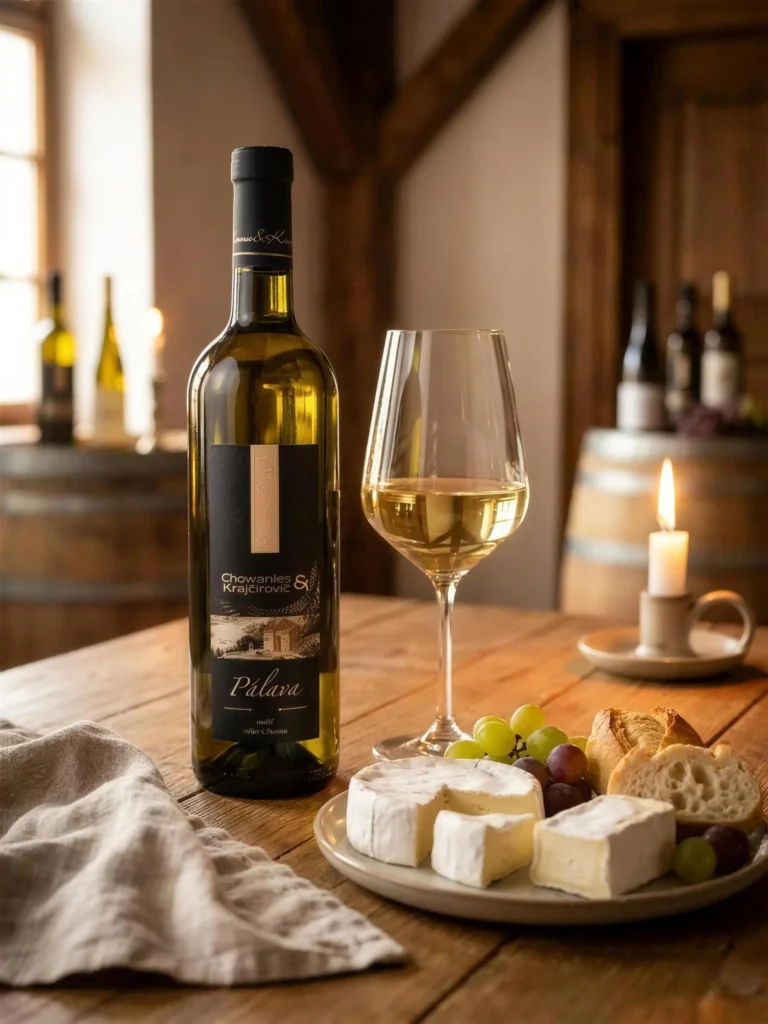
Pálava wijn ingeschonken voor een high wine thuis

Voor een geslaagde high wine is variatie de sleutel. Begin met een frisse, droge witte wijn zoals Rizling Rýnsky, dezelfde druif als de bekende Rijnriesling, met een fijne mineraliteit die perfect opent. Ga daarna verder met iets aromatischers: Pálava, een kruising van Gewürztraminer en Müller-Thurgau uit 1953, brengt een heel andere, intensere geursensatie in het glas.

Sluit af met een rode wijn voor wie verder wil proeven: Dunaj is een zeldzame Slowaakse druif die wereldwijd op amper 68 hectare groeit, een gespreksonderwerp op zich tijdens de middag.

Alledrie zijn wijnen die uw gasten vrijwel zeker nog niet eerder hebben geproefd, en dat is wat een gedeelde ontdekking zo goed laat werken bij dit soort bijeenkomsten. Bekijk de volledige collectie en stel uw eigen selectie samen met wijnen die nergens anders te vinden zijn.

You’ve probably seen ‘high wine’ pop up on social media or at an event venue without quite knowing what it involves. The format itself is simple: the conviviality of high tea, with wine taking the place of tea. It’s become one of the most popular wine gatherings in the Netherlands.

What is high wine exactly?

High wine is a relaxed, informal wine tasting in the form of an afternoon gathering, usually with snacks, company, and several wines to taste and compare. The name gives away the inspiration: like high tea, it’s about a well-hosted afternoon full of good things, except wine takes centre stage instead of tea.

The format has become hugely popular in the Netherlands in recent years: from hen parties to birthdays and company outings. That’s also why it’s become one of the most searched wine terms in the country: people want to know what it involves, and how to host one themselves.

There’s no fixed definition: the format is flexible enough to adapt to the occasion. What stays constant is the idea of a well-hosted afternoon centred on tasting and company, without the formality of a classic wine tasting.

The difference with a traditional wine tasting

The difference between high wine and a traditional wine tasting is mostly in the atmosphere. A wine tasting is often educational, led by an expert who explains origin, grape variety, and flavour profile. This more relaxed gathering is looser: it’s about enjoying good company, with the wine as the centrepiece but not necessarily with formal explanation attached.

Think of it like the difference between a cooking class and a dinner with friends: both revolve around food, but the atmosphere and purpose differ fundamentally. For anyone curious about the format high wine borrows its name from, the tradition of high tea is a good starting point.

The snacks tend to differ too. At a wine tasting, the focus is on neutral bites that don’t overpower the wine’s flavour. At this more informal gathering, there’s more room for an elaborate cheese and charcuterie board, much like the pastries and scones that belong alongside the tea at a high tea.

How to host your own high wine at home

Hosting your own high wine is easier than it sounds. The basics are simple: pick three to five wines in different styles, serve them at the right temperature, and build the afternoon around tasting, comparing, and conversation.

Start light and build up: pour the fresh, light wines first, and finish with the fuller, more pronounced flavours. Make sure there are enough glasses per guest: one per wine works best, so the flavours don’t blend into each other.

Offer a short introduction with each wine: where it’s from, which grape it is, and what makes it distinctive. It doesn’t need to be formal: a couple of sentences per bottle is enough to get the conversation going and give the afternoon that extra bit of meaning.

Which wines to choose for your own high wine

Pálava wine poured for a high wine at home

Variety is the key to a successful high wine. Start with a crisp, dry white such as Rizling Rýnsky, the same grape as the well-known Rhine Riesling, with a fine minerality that opens things up perfectly. Move on to something more aromatic next: Pálava, a crossing of Gewürztraminer and Müller-Thurgau from 1953, brings a completely different, more intense aromatic character to the glass.

Close with a red for anyone who wants to keep tasting: Dunaj is a rare Slovak grape that grows on barely 68 hectares worldwide, a conversation piece in its own right during the afternoon.

All three are wines your guests have almost certainly never tasted before, and that’s what makes a shared discovery work so well at this kind of gathering. Browse the full collection and put together your own selection with wines that can’t be found anywhere else.

Newsletter

Get Early
Access.

First access to what we bring in, before the World catches on.

You're on the list. Welcome to early access.
18+ only · unsubscribe anytime
0