Pivotal wines

Ontdek Europa's
verborgen Wijngaarden.

Deze wijnen zijn alleen voor volwassenen.
Bent u 18 jaar of ouder?

Toegang geweigerd Sorry, deze website is alleen toegankelijk voor personen van 18 jaar en ouder.
← Journaal← Journal

Wijn uit de Kleine Karpaten: de Malokarpatská wijnregio uitgelegd Small Carpathians Wine: the Malokarpatská Wine Region Explained

Kleine Karpaten wijn komt uit de Malokarpatská wijnregio, de heuvels bij Bratislava in het westen van Slowakije. Van de zes wijnen in de collectie van Pivotal Wines komen er vijf hiervandaan. Deze gids laat zien waar de regio ligt, welke wijnen erbij horen en wat de Slowaakse classificatie op het etiket u vertelt.

Waar ligt de Malokarpatská wijnregio precies?

Malokarpatská betekent letterlijk “van de Kleine Karpaten”. In het Slowaaks heet het gebied Malé Karpaty: de heuvelketen die zich vanaf Bratislava noordoostwaarts uitstrekt. Svätý Jur, het wijnstadje waar Chowaniec & Krajčírovič is gevestigd, ligt middenin dit gebied.

In Svätý Jur is wijnbouw gedocumenteerd sinds 1270. Slowakije telt meerdere officieel erkende wijnregio’s: meer achtergrond vindt u bij de bredere Slowaakse wijntraditie. Wat de hellingen van dit ene landgoed met de smaak doen, leest u bij de plek achter de smaak.

Welke Kleine Karpaten wijn vindt u bij Pivotal Wines?

Vijf wijnen, allemaal van hetzelfde landgoed. Drie ervan zijn rassen die u in Nederland zelden tegenkomt: de aromatische witte Pálava, de bloemige Pesecká Leanka en de rode Dunaj.

De andere twee klinken vertrouwder: Chardonnay en Rizling Rýnsky, in Nederland beter bekend als Rijnriesling. Wilt u eerst meer weten over de drie zeldzame rassen? Lees dan de gids over Slowaakse druivenrassen.

Wat betekent Akostné víno op het etiket?
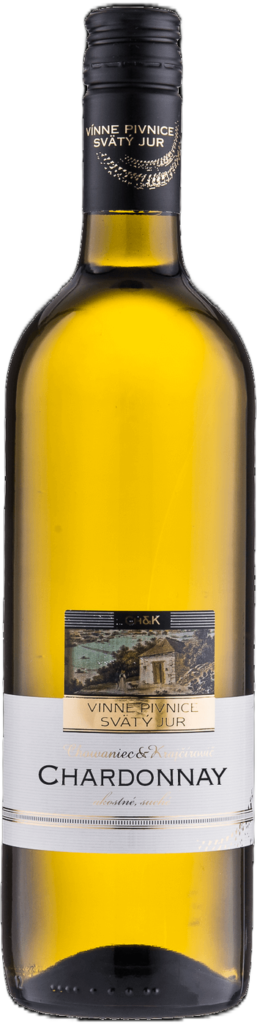
Kleine Karpaten wijn: Chardonnay met de classificatie Akostné víno

Slowaakse wijn kent een wettelijk classificatiesysteem met duidelijke lagen, te vergelijken met de AOC-indeling in Frankrijk of de DOC-indeling in Italië. De basislaag heet “Akostné víno”: kwaliteitswijn, geproduceerd volgens vaste regels, zonder verdere specificatie. Chardonnay van Pivotal Wines draagt precies deze classificatie.

Een laag daarboven zit “Akostné s prívlastkom”: kwaliteitswijn met een attribuut, een extra aanduiding die iets specifieks zegt over hoe de druif is geoogst. Rizling Rýnsky draagt de aanduiding “Neskorý zber,” laat geoogst: de druiven bleven langer aan de wijnstok hangen dan gebruikelijk voordat ze werden geplukt.

Laat geoogst is overigens geen Slowaaks unicum: Duitsland kent hetzelfde principe onder de naam “Spätlese,” Oostenrijk kent een vergelijkbare indeling. Het idee erachter is telkens hetzelfde: hoe langer de druif aan de wijnstok blijft hangen, hoe geconcentreerder het sap wordt.

Het verschil tussen deze twee wijnen laat zien dat dit systeem geen loze marketingterm is: het ene etiket vertelt u iets concreets dat het andere niet doet, en dat verschil is controleerbaar op de fles zelf.

Wat betekent dit voor u als koper?

Ziet u “Akostné s prívlastkom” op een Slowaakse fles staan, dan weet u dat de druiven aan strengere oogstvoorwaarden voldeden dan bij de basisclassificatie het geval is. Dat is een concreet gegeven om op te letten, ook bij flessen buiten de collectie van Pivotal Wines.

Het maakt een productbeschrijving ook controleerbaar: een classificatie die niet klopt met wat er in de fles zit, is een claim die u zelf kunt natrekken. Dat maakt de Malokarpatská wijnregio als uitgangspunt zo praktisch: niet zomaar een naam op een etiket, maar een systeem dat u zelf kunt controleren.

De ene uitzondering: Cabernet Sauvignon

Niet elke wijn van Pivotal Wines komt uit de Malokarpatská regio. Alleen Cabernet Sauvignon wijkt af: deze rosé groeit in Južnoslovenská, aanzienlijk zuidelijker en zonniger dan de Kleine Karpaten. Die keuze is bewust: een warmteminnende druif gedijt daar simpelweg beter. Bekijk Cabernet Sauvignon.

Beide regio’s liggen binnen hetzelfde land, maar de klimaatverschillen tussen het noorden en het zuiden van Slowakije zijn groter dan de geringe afstand op een kaart doet vermoeden, te vergelijken met het verschil tussen de Elzas en de Rhônevallei binnen Frankrijk.

Zelf het verschil proeven

Zet Chardonnay en Rizling Rýnsky naast elkaar: twee flessen uit dezelfde regio, twee treden van dezelfde classificatieladder. Zo proeft u in één avond wat een etiket u vooraf al vertelde.

Stelt u zelf een wijnkaart samen, voor een restaurant of wijnhandel? Onze pagina voor zakelijke inkoop laat zien wat er mogelijk is.

Veelgestelde vragen

Is Malokarpatská hetzelfde als de Kleine Karpaten?
Ja. Malokarpatská is het Slowaakse bijvoeglijk naamwoord bij Malé Karpaty, de Kleine Karpaten. U komt beide namen tegen voor hetzelfde wijngebied.

Is Kleine Karpaten wijn droog of zoet?
De witte wijnen Chardonnay, Pálava en Rizling Rýnsky uit deze collectie zijn droog, ook al ruikt Pálava zoeter dan hij smaakt. Meer daarover leest u bij droog, halfzoet of zoet.

Waar koop ik Kleine Karpaten wijn in Nederland?
Pivotal Wines importeert de wijnen van dit landgoed exclusief naar Nederland. U bestelt ze in de shop, en vanaf 75 euro is de verzending gratis.

Small Carpathians wine comes from the Malokarpatská wine region, the hills beside Bratislava in western Slovakia. Five of the six Pivotal Wines bottles are grown here. This guide shows where the region lies, which wines belong to it, and what the Slovak classification on the label tells you.

Where exactly is the Malokarpatská wine region?

Malokarpatská literally means “of the Small Carpathians”. In Slovak the area is called Malé Karpaty: the hill range that stretches northeast from Bratislava. Svätý Jur, the wine town where Chowaniec & Krajčírovič is based, sits right in the middle of it.

Records of winemaking in Svätý Jur go back to 1270. Slovakia has several officially recognised wine regions: more background is available on the broader Slovak wine tradition. What this one estate’s slopes do to the flavour is covered in the place behind the taste.

Which Small Carpathians wine does Pivotal Wines carry?

Five wines, all from the same estate. Three are varieties you rarely meet in the Netherlands: the aromatic white Pálava, the floral Pesecká Leanka, and the red Dunaj.

The other two sound more familiar: Chardonnay and Rizling Rýnsky, better known abroad as Rhine Riesling. Want to read up on the three rare varieties first? See the guide to Slovak grape varieties.

What does Akostné víno mean on the label?

Small Carpathians wine: Chardonnay classified as Akostné víno

Slovak wine follows a statutory classification system with clear tiers, comparable to France’s AOC system or Italy’s DOC. The base tier is called “Akostné víno”: quality wine, produced under set rules, without further specification. Pivotal Wines’ Chardonnay carries exactly this classification.

One tier above sits “Akostné s prívlastkom”: quality wine with an attribute, an additional designation that says something specific about how the grape was harvested. Rizling Rýnsky carries the designation “Neskorý zber,” late harvest: the grapes stayed on the vine longer than usual before being picked.

Late harvest is hardly a Slovak invention: Germany has the same principle under the name “Spätlese,” and Austria has a comparable tier. The idea behind it is always the same: the longer a grape hangs on the vine, the more concentrated the juice becomes.

The difference between these two wines shows that this system isn’t an empty marketing term: one label tells you something concrete the other doesn’t, and that difference is verifiable on the bottle itself.

What this means for you as a buyer

See “Akostné s prívlastkom” on a Slovak bottle, and you know the grapes met stricter harvest conditions than the base classification requires. That’s a concrete detail worth watching for, even on bottles outside Pivotal Wines’ own collection.

It also makes a product description verifiable: a classification that doesn’t match what’s in the bottle is a claim you can check for yourself. That is what makes the Malokarpatská wine region such a practical starting point: not just a name on a label, but a system you can verify yourself.

The one exception: Cabernet Sauvignon

Not every Pivotal Wines bottle comes from the Malokarpatská region. Only Cabernet Sauvignon breaks the pattern: this rosé grows in Južnoslovenská, considerably further south and sunnier than the Small Carpathians. That choice is deliberate: a heat-loving grape simply does better there. Browse Cabernet Sauvignon.

Both regions lie within the same country, but the climate differences between the north and south of Slovakia are bigger than the short distance on a map suggests, comparable to the contrast between Alsace and the Rhône Valley within France.

Taste the difference yourself

Put Chardonnay and Rizling Rýnsky side by side: two bottles from the same region, two rungs of the same classification ladder. In one evening you taste what the label already told you.

Building a wine list of your own, for a restaurant or wine shop? Our trade page shows what’s possible.

Frequently asked questions

Is Malokarpatská the same as the Small Carpathians?
Yes. Malokarpatská is the Slovak adjective for Malé Karpaty, the Small Carpathians. You will see both names used for the same wine region.

Is Small Carpathians wine dry or sweet?
The white wines Chardonnay, Pálava and Rizling Rýnsky in this collection are dry, even though Pálava smells sweeter than it tastes. Read more in dry, off-dry or sweet.

Where can I buy Small Carpathians wine in the Netherlands?
Pivotal Wines is the exclusive Dutch importer of this estate’s wines. You order them in the shop, and delivery is free from 75 euros.

Nieuwsbrief

Krijg Vroege
Toegang.

Als eerste toegang tot wat we binnenhalen, voordat de Wereld het ontdekt.

U staat op de lijst. Welkom bij vroege toegang.
Alleen 18+ · altijd afmelden
0